-
Satisfaction & A Joyful Life

Satisfaction & A Joyful Life Article of ALOK MIND (Buddhist Psychology) No. 6. Author: Bhikkhu ALOKA (Arlawka) Published by ALOK MIND Foundation Issued: 8 September, 2024 Introduction The pursuit of a joyful life remains elusive for nearly half of the global population, with many struggling to find true happiness. This article explores the critical role…
-
Nibbāna: The Final Goal of Buddhists

Nibbāna: The Final Goal of Buddhists Article of ALOK MIND (Buddhist Philosophy) No. 6. Author: Bhikkhu ALOKA Published by ALOK MIND Foundation Issued: 3 April, 2024 Abstract This paper is an academic study of Nibbāna aimed at clarifying the arguments surrounding questions such as: What is Nibbāna? Does Nibbāna exist? Is Nibbāna visible? And why…
-
What Buddha Taught About Healthy Living?

What Buddha Taught About Healthy Living? Article of ALOK MIND (Buddhist Psychology) No. 5. Author: Bhikkhu ALOKA Published by ALOK MIND Foundation Issued: 19 February, 2024 Abstract Even though the World Health Organization and doctors, including scientists, physicians, psychiatrists, and psychologists, are trying hard to reduce sicknesses with protective measures and treatments, health problems keep…
-
Multifarious Meanings of Muditā (Sympathetic Joy) in Buddhism
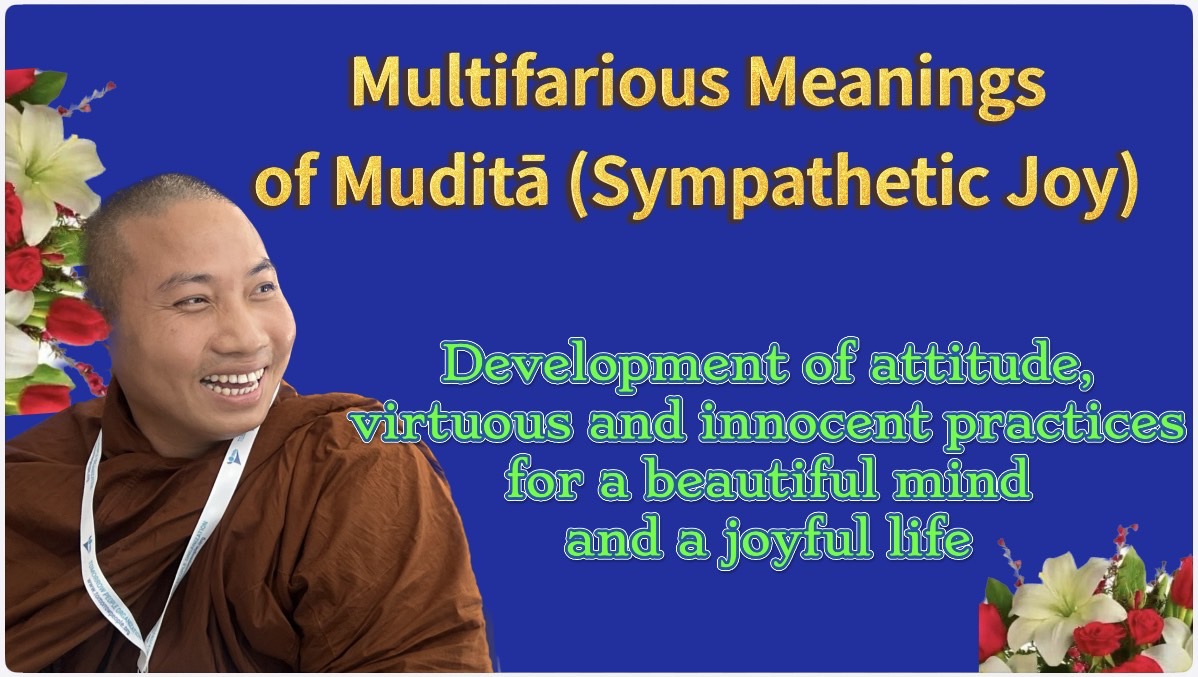
Article of ALOK MIND (Buddhist Psychology) No. 4. Author: Bhikkhu ALOKA Published by ALOK MIND Foundation Issued: 9 December, 2023 Abstract This article analyzes the multifarious meanings of Muditā (sympathetic joy) in Buddhist scriptures, such as the sangiti Sutta in the Long Discourse of the Buddha, Buddhaghosa’s commentary, visuddhimagga, and so on. Primarily, four different…
-
What is Compassion?
What is Compassion? Read the full article to comprehend how compassion is deeply effective for peace and conflict resolution. The Principles of Buddhism for Peace and Conflict Resolution
-
The Principles of Buddhism for Peace and Conflict Resolution (speech of the article)
The Principles of Buddhism for Peace and Conflict Resolution (speech of the article)
-
Etymological Analysis of Sympathetic Joy

Etymological Analysis of Sympathetic Joy Article of ALOK MIND (Buddhist Psychology) No. 3. Author: Bhikkhu ALOKA Published by ALOK MIND Foundation Issued: 23 November, 2023 Abstract This paper explores the etymology of the Pali term “Muditā,” analyzing it into “muda” (joyful) and “tā” (practice). It posits Muditā as the practice of joyful living, centered on…
-
The Principles of Buddhism for Peace and Conflict Resolution
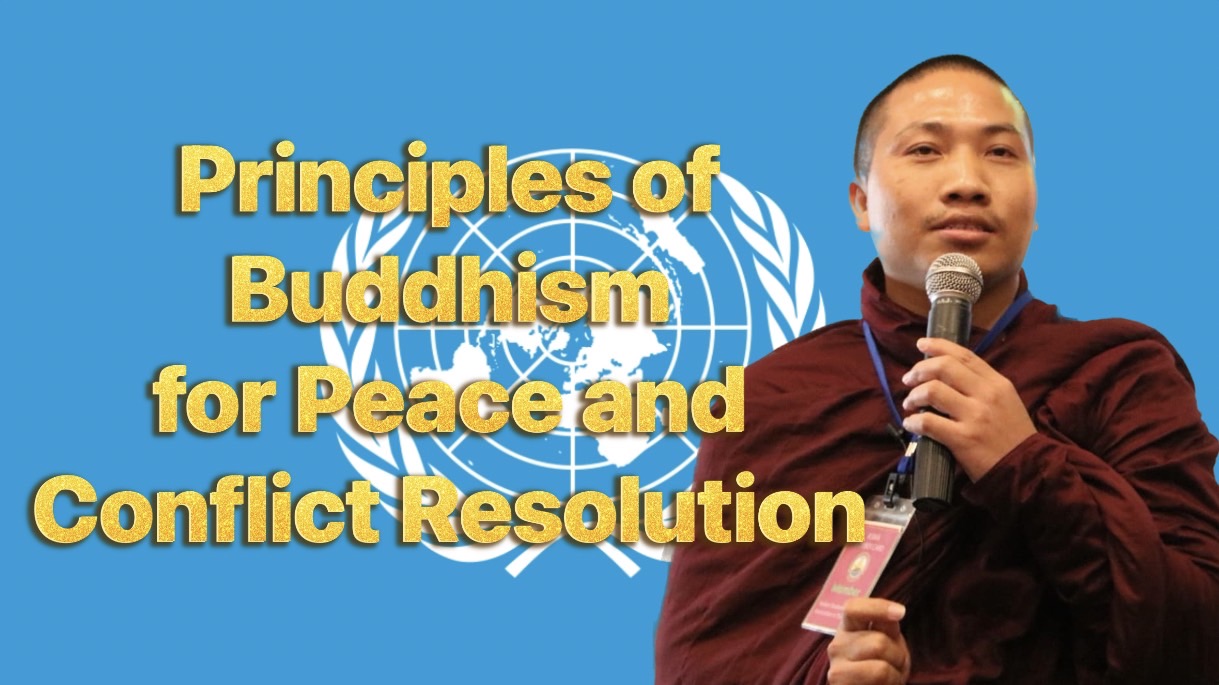
The Principles of Buddhism for Peace and Conflict Resolution Article of ALOK MIND (Buddhist Philosophy) No. 5. Author: Bhikkhu ALOKA Published by ALOK MIND Foundation Issued: 29 October, 2023 Abstract The principles of Buddhism for Peace and Conflict Resolution are Non-violence, Compassion, Mindfulness, and Wisdom. Even Buddha taught these principles; they are universal practices.…
-
Buddhist Behavioral and Social Cognitive Theory: A Guidance of Buddhist Psychotherapy Based on Mindfulness

Buddhist Behavioral and Social Cognitive Theory: A Guidance of Buddhist Psychotherapy Based on Mindfulness Article of ALOK MIND (Buddhist Psychology) No. 3. Author: Bhikkhu ALOKA Published by ALOK MIND Foundation Issued: 17 October, 2023 Abstract This paper explores the relationship between Buddhism, psychotherapy, and the evolving mental health of the 21st century generation. It analyzes…
-
The Transformative Power of Sympathetic Joy Meditation: A Path to Happiness, Altruism, And Psychological Well-Being

The Transformative Power of Sympathetic Joy Meditation: A Path to Happiness, Altruism, And Psychological Well-Being Article of ALOK MIND (Buddhist Psychology) No. 2. Author: Bhikkhu ALOKA Published by ALOK MIND Foundation Issued: 17 October, 2023 Abstract Sympathetic joy, known as Muditā in Buddhism, is a meditation technique that holds the potential to address the root…
Search
Archive
Recent Posts


Gallery